

Selling across North America means printing labels that satisfy three countries, dozens of retailers and several logistics partners at once. A shipment that is perfectly fine for a US distributor may be rejected at a Canadian retailer for missing French text, or held at the Mexican border because the product label is not in Spanish. Compliance labeling is not glamorous, but chargebacks, rejected shipments and recalls make it expensive to get wrong.
This guide covers the main labeling requirements for the United States, Canada and Mexico, and how Asgard Labels helps Acumatica or MYOB users meet them from the screens they already use.
Note: this article is general guidance, not legal advice. Always confirm the current rules for your products with your regulators, trading partners and advisors.
Two layers of compliance
It helps to separate labeling requirements into two layers:
- Logistics labels: carton and pallet labels that your customers, retailers and 3PLs require to receive goods efficiently. These are driven mostly by trading partner requirements and GS1 standards.
- Product labels: labels on the item or its packaging that inform the buyer or consumer. These are driven mostly by government regulations, which differ by country and product category.
Retailer and 3PL requirements
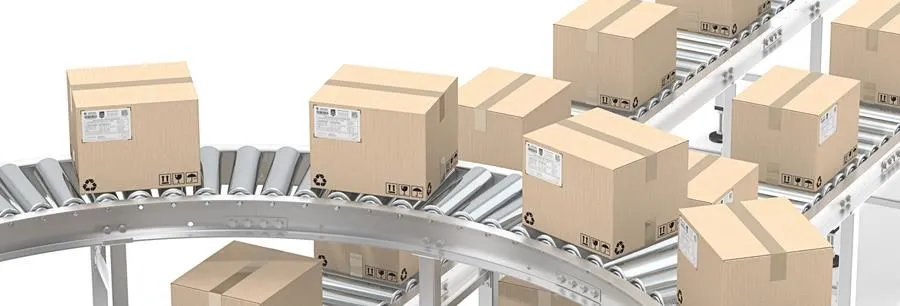
Large retailers, distributors and 3PLs publish routing guides or vendor compliance manuals. They typically specify:
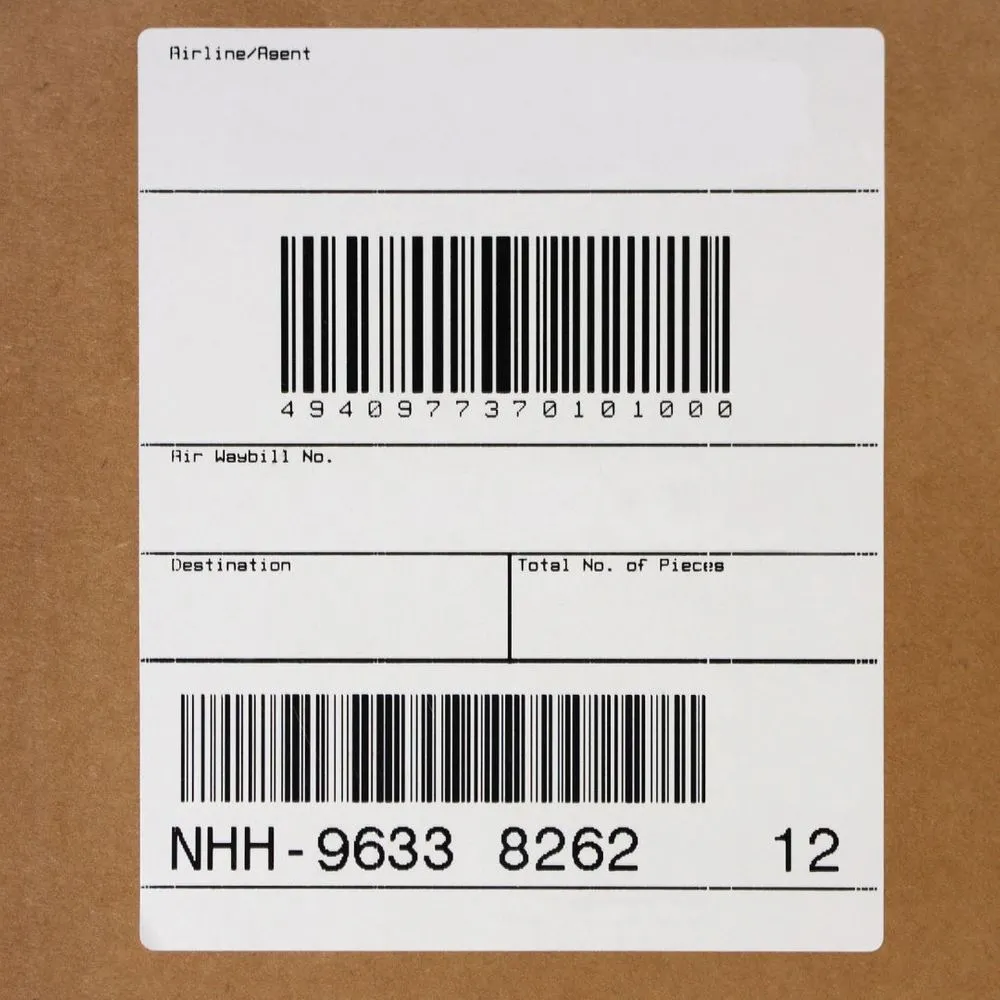
- The exact label size, often 4×6 inches, and the placement on the carton or pallet.
- Required zones: ship-from, ship-to, carrier, PO number, department, store or distribution center.
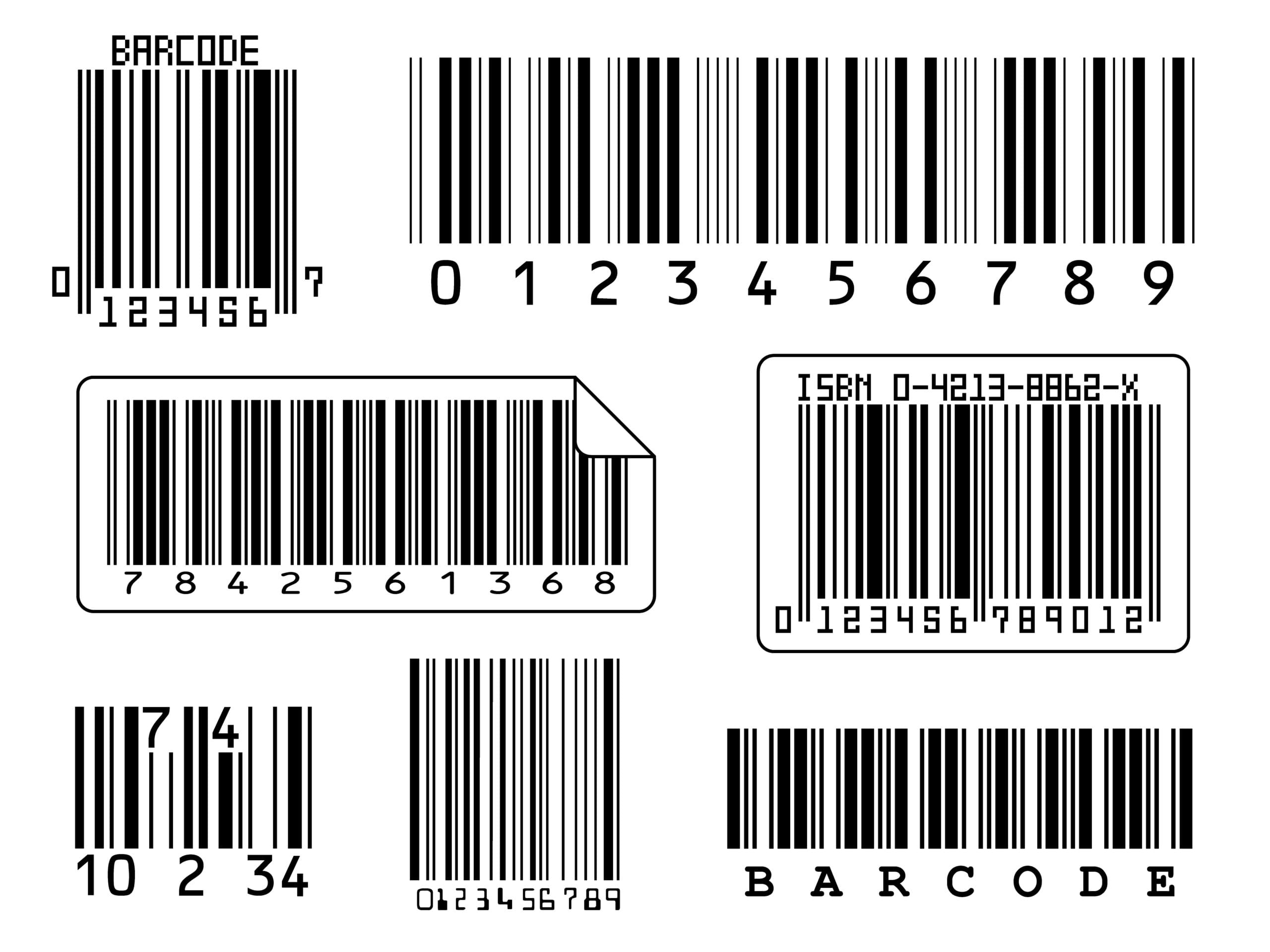
- Barcodes, most often a GS1-128 SSCC, and sometimes additional barcodes for PO or ship-to postal code.
- Matching data in advance ship notices, so the label and the electronic record agree.
Missing or incorrect labels can lead to chargebacks or refused deliveries. The rules are usually similar across the US, Canada and Mexico when the same retailer operates in all three, but each partner’s manual is the final word.
GS1-128 shipping labels and the SSCC
The GS1-128 shipping label with an SSCC is the closest thing to a universal logistics label in North America. The SSCC, Application Identifier (00), is an 18-digit number that uniquely identifies each carton or pallet. It is built from your GS1 company prefix, a serial reference and a check digit.
A typical GS1 logistics label contains:
- Ship-from and ship-to addresses.
- Carrier information and PO number.
- The SSCC in a GS1-128 barcode, with human-readable text.
- Optional product data: GTIN (01) or (02), count (37), lot (10), best-before (15) or expiry (17).
Because GS1 standards are shared across the three countries, the same label design can often serve US, Canadian and Mexican customers, with language and partner-specific zones added where needed.
United States
US product labeling is regulated by product category. Food, drugs, medical devices, cosmetics, chemicals and consumer products each have their own requirements, set mainly by federal agencies, with some state-level rules. Topics that commonly affect warehouse and production labels include:
- Traceability: food traceability rules and pharmaceutical supply chain rules increasingly expect lot-level records and, in some sectors, serialized identifiers.
- Medical devices: unique device identification, often encoded in GS1 formats such as GS1 DataMatrix or GS1-128.
- Hazard communication: chemical labels with standardized pictograms and statements.
- Country of origin and net quantity statements on many consumer goods.
Canada: bilingual English and French labels
Canada is where many US and international suppliers first run into language requirements. Federal rules for prepackaged consumer products generally require mandatory label information, such as the product identity and net quantity, to appear in both English and French. Quebec adds its own French-language requirements, which can extend to other text on products and packaging.
In practice, Canadian labels often need:
- Bilingual product names, descriptions and warnings.
- Metric net quantity.
- Bilingual lot and date wording, such as best-before statements.
- Additional category rules for food, health products and chemicals.
Bilingual labels are a data problem as much as a design problem: you need French descriptions stored alongside English ones and a label that picks the right text reliably.
Mexico: Spanish-language labeling
Products sold in Mexico generally must carry commercial information in Spanish, under Mexico’s official standards, known as NOMs. Depending on the product category, labels may need the product name, net content in metric units, the importer or manufacturer name and address, country of origin, and warnings or instructions in Spanish. Some categories, such as food and beverages, have their own detailed labeling standards.
Importers often apply Spanish labels before goods cross the border or in a bonded facility, which puts the burden on the supplier’s warehouse to print the right label at the right time.
Lot and expiry traceability across all three countries
Whatever the country, traceability is the common thread. Being able to answer “which customers received lot 24-117?” in minutes rather than days is what makes a recall manageable. That requires:
- Lot and serial tracking in Acumatica or MYOB on receipts, production and shipments.
- Labels that show the lot and expiry in human-readable text and in a barcode, often GS1-128 or GS1 DataMatrix.
- SSCC labels linked to what is inside each carton and pallet.
- Reprints that exactly match the original record.
How Asgard Labels helps

Asgard Labels is the Acumatica-native, certified label solution built by Asgard Alliance, a Montreal-based Acumatica ISV partner that works with English and French labeling every day.
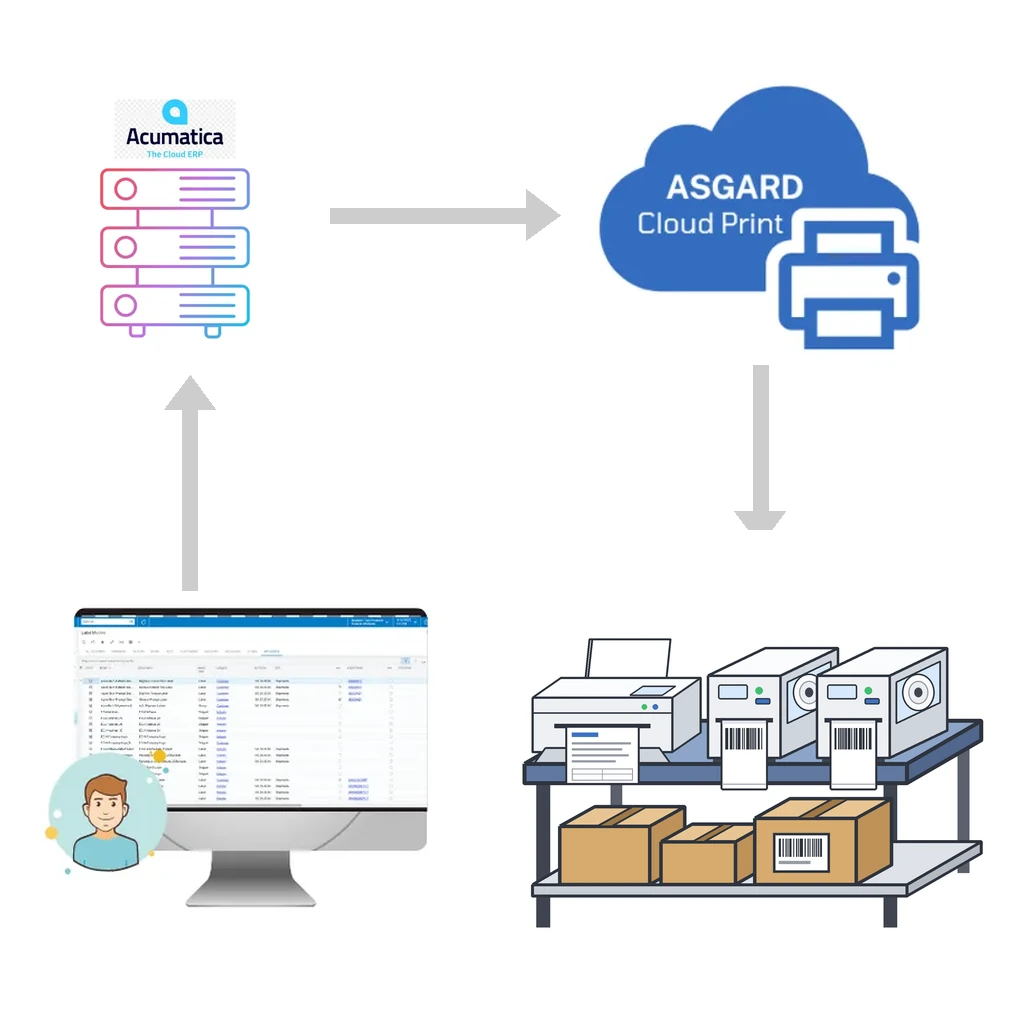
- Print from any Acumatica or MYOB screen: shipments, receipts, production orders and stock items.
- GS1-128 SSCC shipping labels, GS1 DataMatrix and QR codes, with logos and addresses.
- Lot, serial and expiration labels for manufacturing and compliance, using live Acumatica or MYOB data.
- User-defined fields for French and Spanish descriptions, retailer zones or partner-specific values.
- Conditional rules to show the right language, barcode or warning for each customer, country or item.
- Color labels for hazard symbols and branding, and any printer through Asgard Cloud Print.
Because labels read directly from Acumatica or MYOB, there is no second product database to keep in sync, and every label reflects the record it was printed from.
A note on Europe, Australia and New Zealand
This guide focuses on North America. Europe and Australia/New Zealand have their own labeling regulations and language rules. The GS1 standards for logistics labels are largely shared, but product labeling requirements should be reviewed separately for each market.
Make compliance labeling routine
See how Asgard Labels prints compliant labels from Acumatica or MYOB, or contact us to review your retailer and country requirements.